(Correspondent:Wu Dandan)
To fully implement the University’s “Home–School Collaboration Initiative of 10,000 Party-Member Teachers” and uphold the educational philosophy of “putting students first, supporting their growth with care, and promoting their development through service,” the student affairs team of the School of Management conducted comprehensive, personalized, and targeted home visits during the 2026 winter break. The visits focused on the difficulties, challenges, and obstacles encountered by students from different academic backgrounds, family circumstances, and with varying needs.
Through in-person visits, face-to-face discussions with families, and targeted support measures, the School bridged the “last mile” in home–school communication and brought families and the University together in a concerted effort to foster student development. The initiative addressed students’ concerns and difficulties related to mental health, academic development, career planning, and personal growth, allowing the warmth of education to transcend geographical distances and reach students and their families.
Empowering Students Through Mental Health Support
Mental health is an essential foundation for students’ growth and development. To address psychological difficulties arising from cultural adjustment, identity-related anxiety, and the pressures of growing up, the counselors used home visits as a bridge to better understand students’ inner worlds and help ease their concerns through attentive listening and empathy.
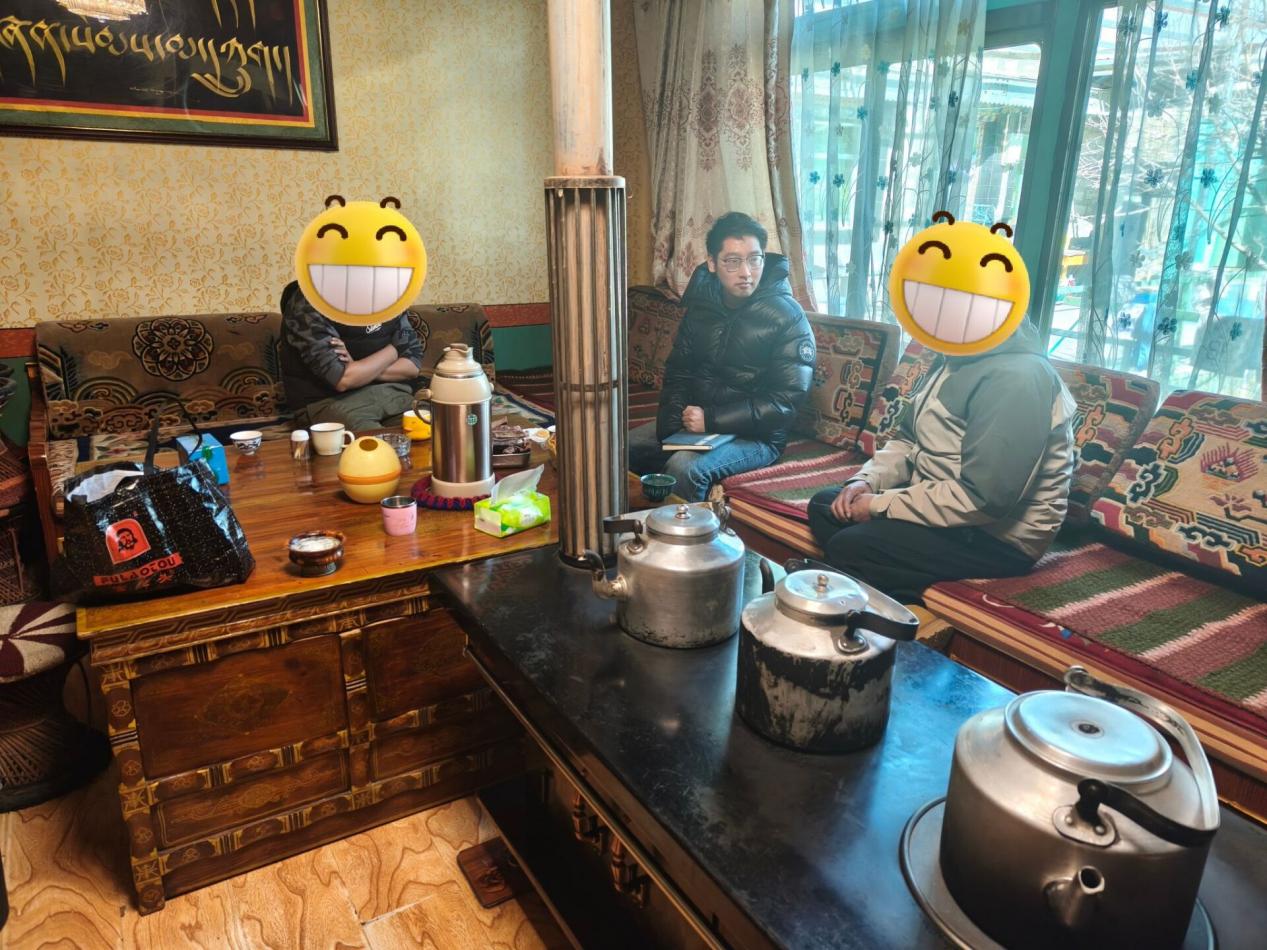
In Zhanang County, Shannan, Xizang Autonomous Region, counselor Guo Xiangyuan traveled to the home of Z, a student of Tibetan ethnicity. After enrolling at the University, Z experienced social withdrawal and academic adjustment difficulties due to differences in language, diet, and other aspects of daily life. During the visit, Guo showed full respect for local ethnic customs and spoke warmly with Z’s parents over cups of butter tea. He affirmed Z’s diligence and perseverance and encouraged him to channel his concern for his hometown into motivation for his academic studies. Following the visit, Z began actively participating in daily English-learning activities and developed an interest in research on community-level governance in Xizang. His self-confidence also improved significantly.
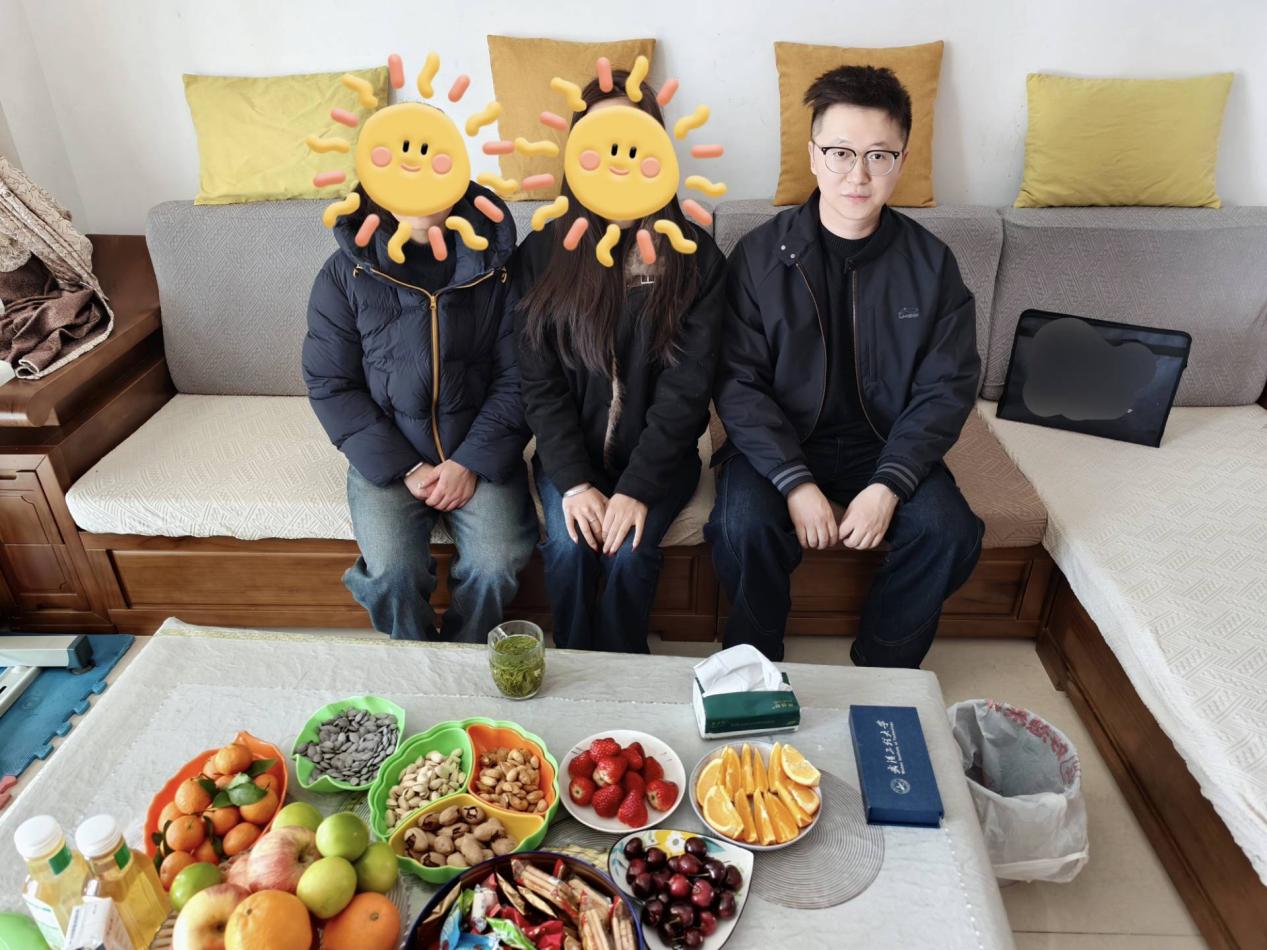
In the Dabie Mountains, counselor Zhu Xibai visited the home of K, a postgraduate student. K had entered the School of Management in a different discipline after completing her undergraduate education at a private institution. Hoping to overcome what she perceived as a disadvantage in her educational background by pursuing a doctoral degree, she became anxious because of her limited foundation in statistics. Zhu discussed with her the strengths of an interdisciplinary background and helped her move beyond the defensive mindset of allowing a single academic paper to determine whether she should continue her studies. He also spoke with her parents, encouraging them to shift their expectations from pursuing greater honors to supporting her in exploring her personal potential. Relieved of the burden she felt as the eldest daughter, K changed her academic mindset from “proving herself” to “growing through wholehearted engagement.”
Overcoming Academic Difficulties Through Targeted Assistance
Academic development is central to student growth. In response to problems such as academic warnings, risks of delayed graduation, and excessive gaming, counselors visited students’ homes to identify the underlying causes and develop individualized assistance plans, helping students regain their motivation to learn.
In Yingcheng, counselor Li Ziyu visited the home of S, a student from a family in which the parents work away from home. S, then in the fourth year of study, had failed three courses and was under immense pressure regarding graduation. Li worked with the student and the family to formulate an “Academic Recovery Plan.” They clarified the timetable for make-up examinations and course retakes, established a daily online study check-in system, and encouraged S to adopt more realistic employment expectations by prioritizing graduation before making further career choices. The parent remarked, “We used to know only that our child was not doing well academically. Now we finally know how we can help.”
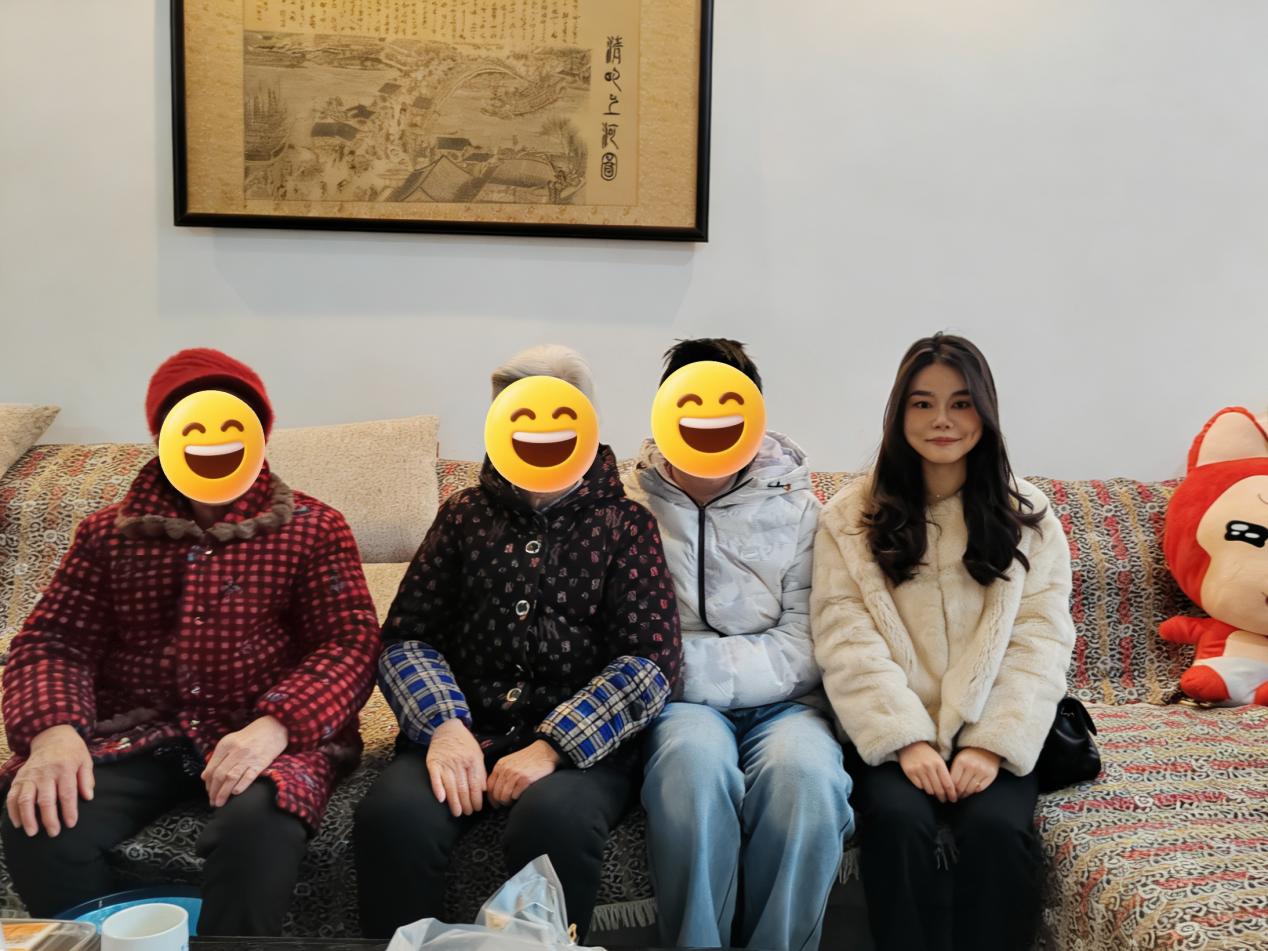
In Wuhan, counselor Lin Yuqi visited the family of H, who had become absorbed in online gaming and failed several courses. Introverted and lacking interpersonal engagement, H had turned to gaming for emotional support. Lin listened to him on an equal footing, affirmed that his calm and steady disposition could be an asset in the accounting profession, and worked with his parents to develop an integrated plan covering academics, behavior, and family support. By improving his daily routine, arranging academic tutoring, and adjusting patterns of family communication, the plan aimed to help H overcome his confusion and confront the risk of failing to graduate.
Providing Targeted Career Planning and Guidance
Faced with multiple options—including postgraduate entrance examinations, civil service examinations, and employment—many students struggle to determine their future direction. Drawing on the characteristics of students’ academic programs and current industry trends, counselors helped students clarify their development goals and provided targeted guidance as they prepared to take important steps in their lives.
In Handan, Hebei Province, counselor Wang Meilu visited Z, a second-year student experiencing academic uncertainty. Z’s grades had declined, and the student lacked a clear plan for the future. Although interested in studying abroad, Z did not know how to begin preparing. Wang worked with the family to analyze the causes of these difficulties and mapped out a parallel pathway encompassing academic improvement, social practice, and further-study planning. She also recommended suitable practical training platforms and provided information on overseas study policies, helping the student regain a sense of direction.
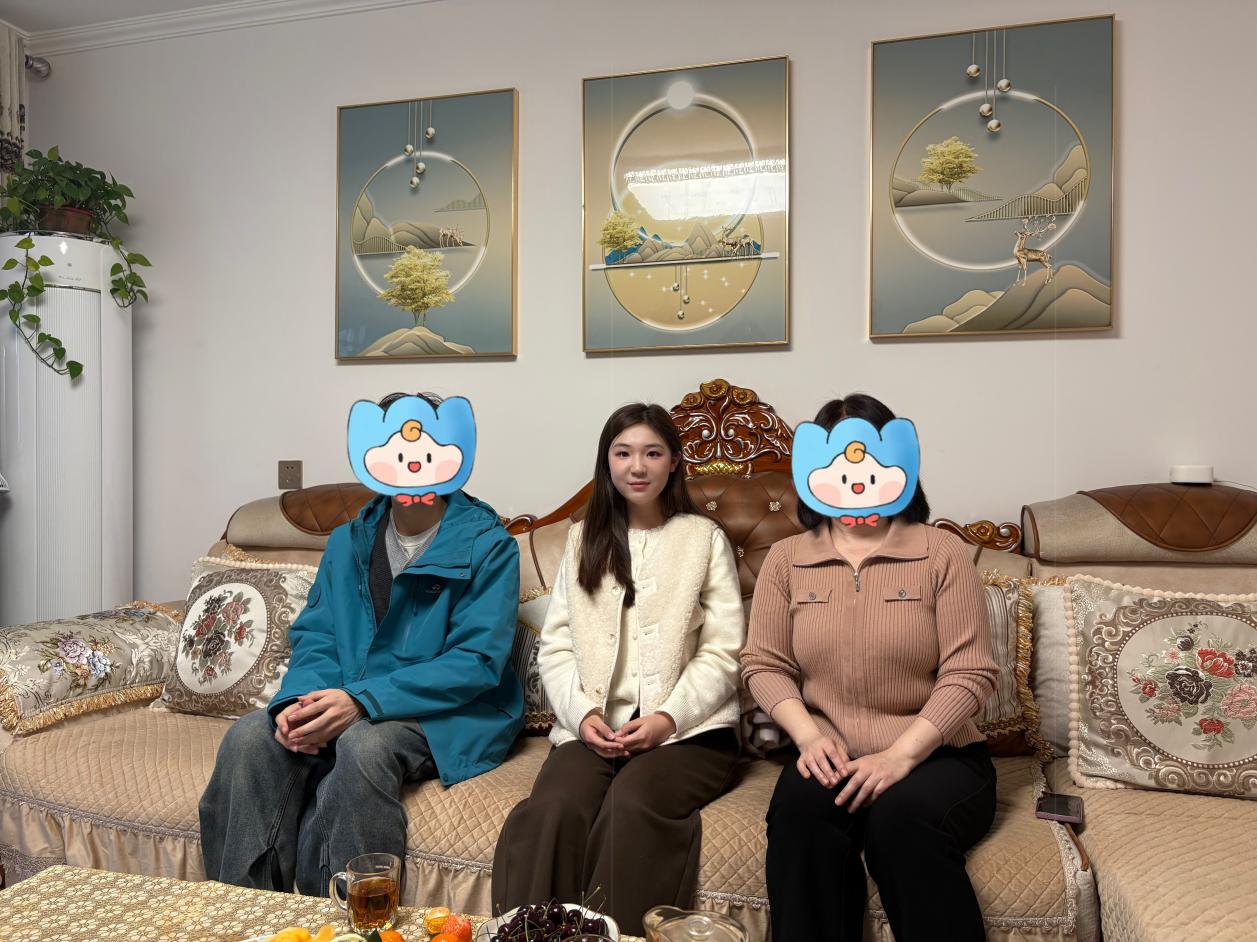
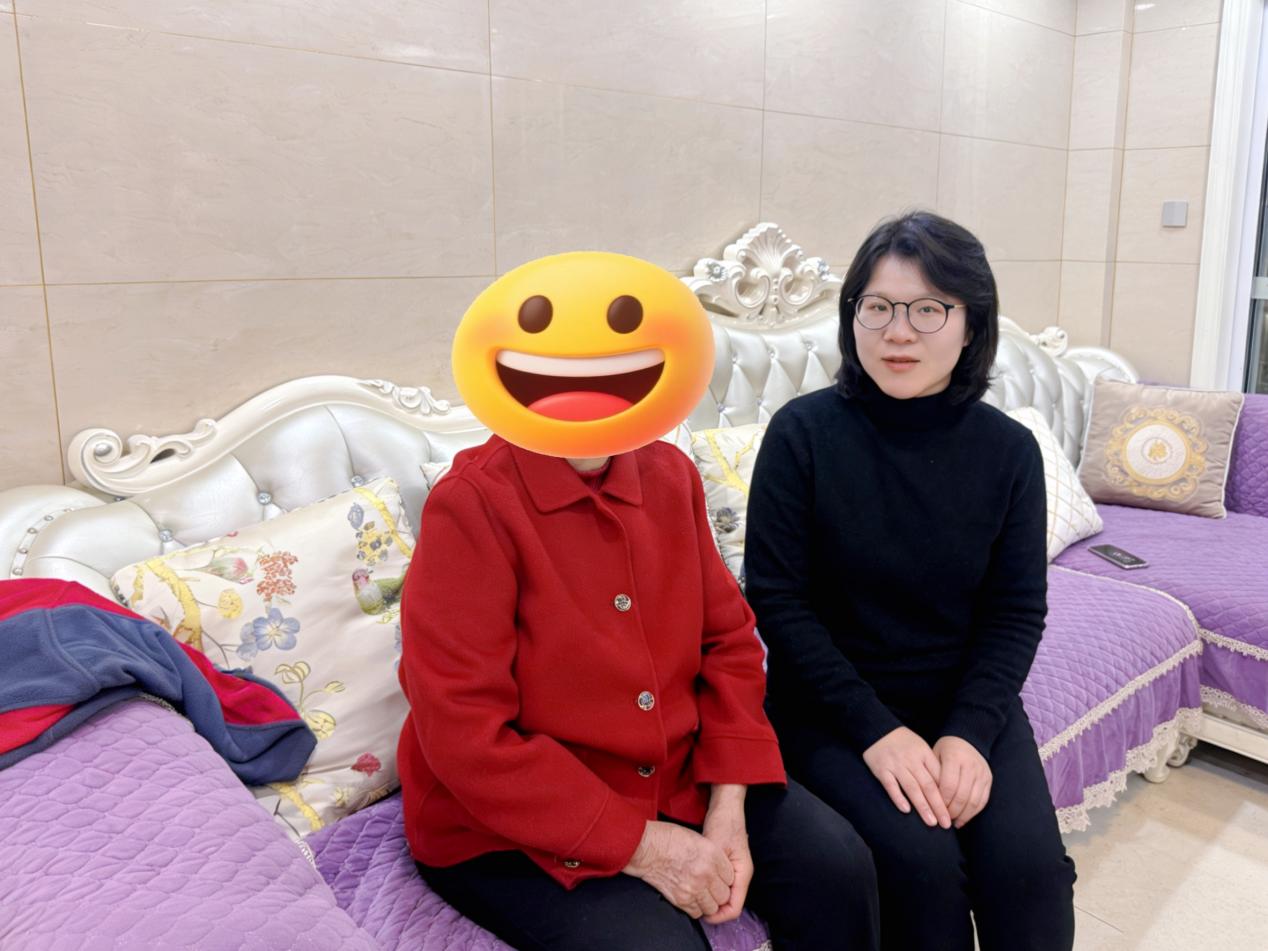
In Wuhan, counselor Wu Dandan visited the home of X, a postgraduate student majoring in accounting, and listened to her concerns about applying for Party membership and planning her career. Under employment pressure, X had begun considering the civil service examination, while her enthusiasm for serving as class monitor had declined. Taking the family’s support system into consideration, Wu recommended that she prepare for both the civil service examination and the autumn recruitment season. She also encouraged X to continue fulfilling her responsibilities as a student leader while maintaining a sound balance between her studies and extracurricular duties. X’s mother said, “The teacher’s professional advice carries more weight than our repeated reminders.”
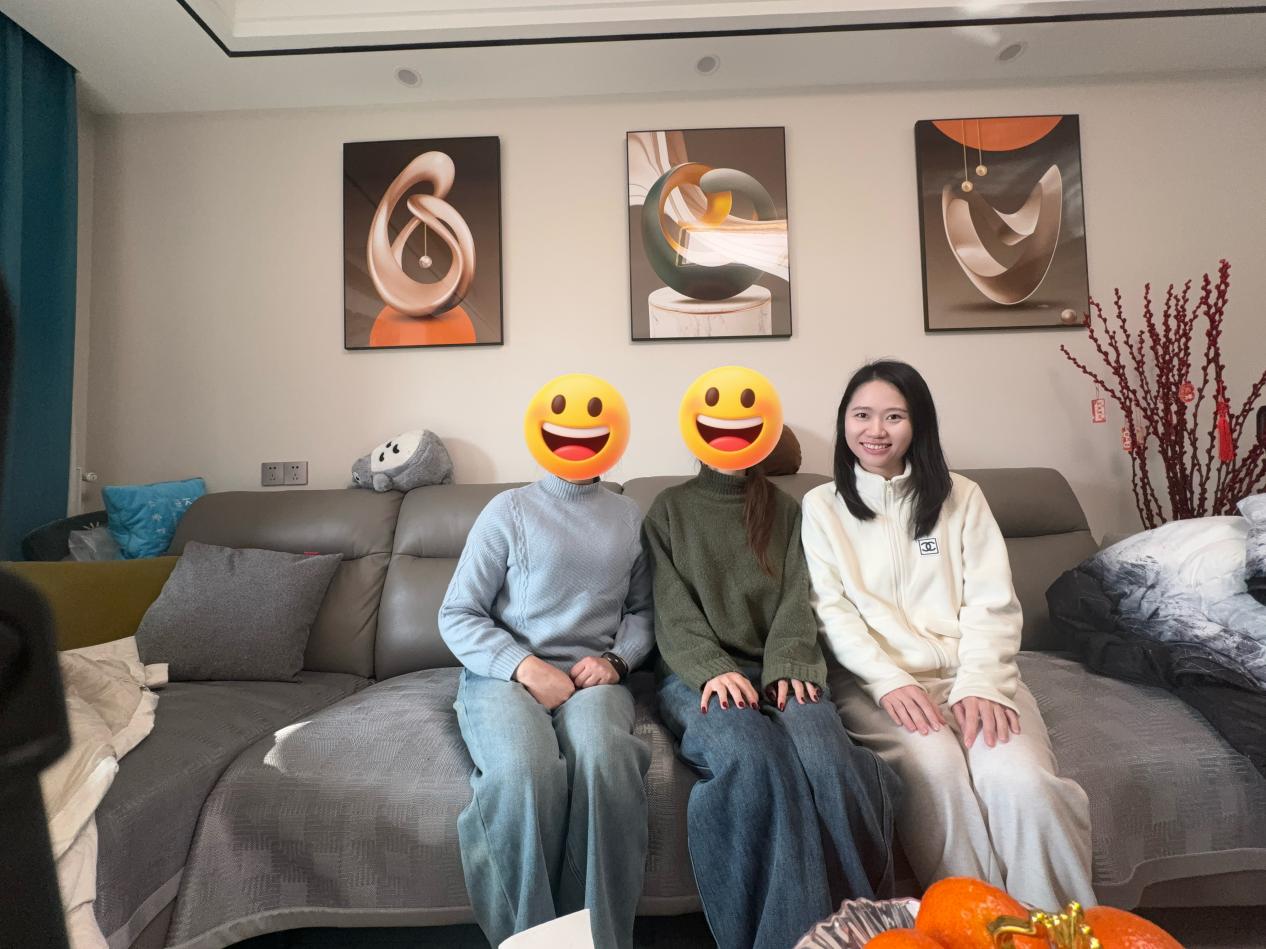
Supporting Students’ Well-Being Through Thoughtful Care
For students facing exceptional circumstances such as injuries or illnesses, counselors extended their care to hospital bedsides and family homes. Through attentive and considerate support, they enabled students to feel the warmth and strength of the University community.
In Wuhan, counselor Fu Yunhao took the opportunity presented by a parent’s arrival on campus to collect their child to conduct a parent-centered home visit. Student D had suffered a fracture after falling on a rainy day and experienced anxiety and considerable academic pressure upon returning to the University. Fu briefed the parent on the student’s recovery, explained in detail the academic requirements following the student’s change of major, and established a regular communication mechanism to ensure a smooth transition.
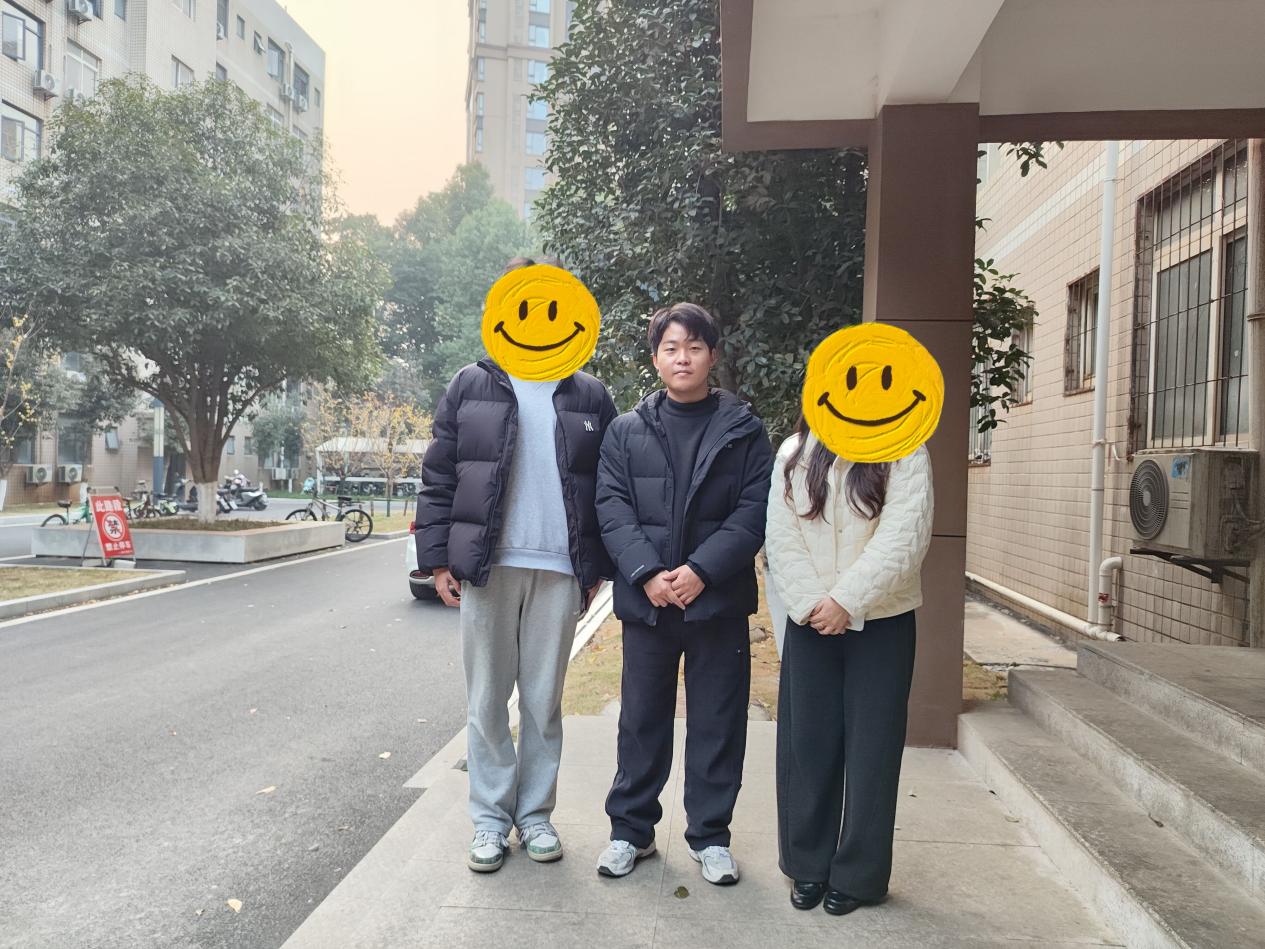
In Dezhou, Shandong Province, counselor Ma Chao visited the home of M, an academically outstanding student who was struggling to balance academic work and personal health. Ma explained the policies governing postgraduate recommendation and postgraduate entrance examinations, advised the student to maintain a healthy balance between study and rest and to participate in research activities, and reached a shared understanding with the family: the University would provide academic support, while the family would assist with health management. Together, they would support the student in pursuing their aspirations.
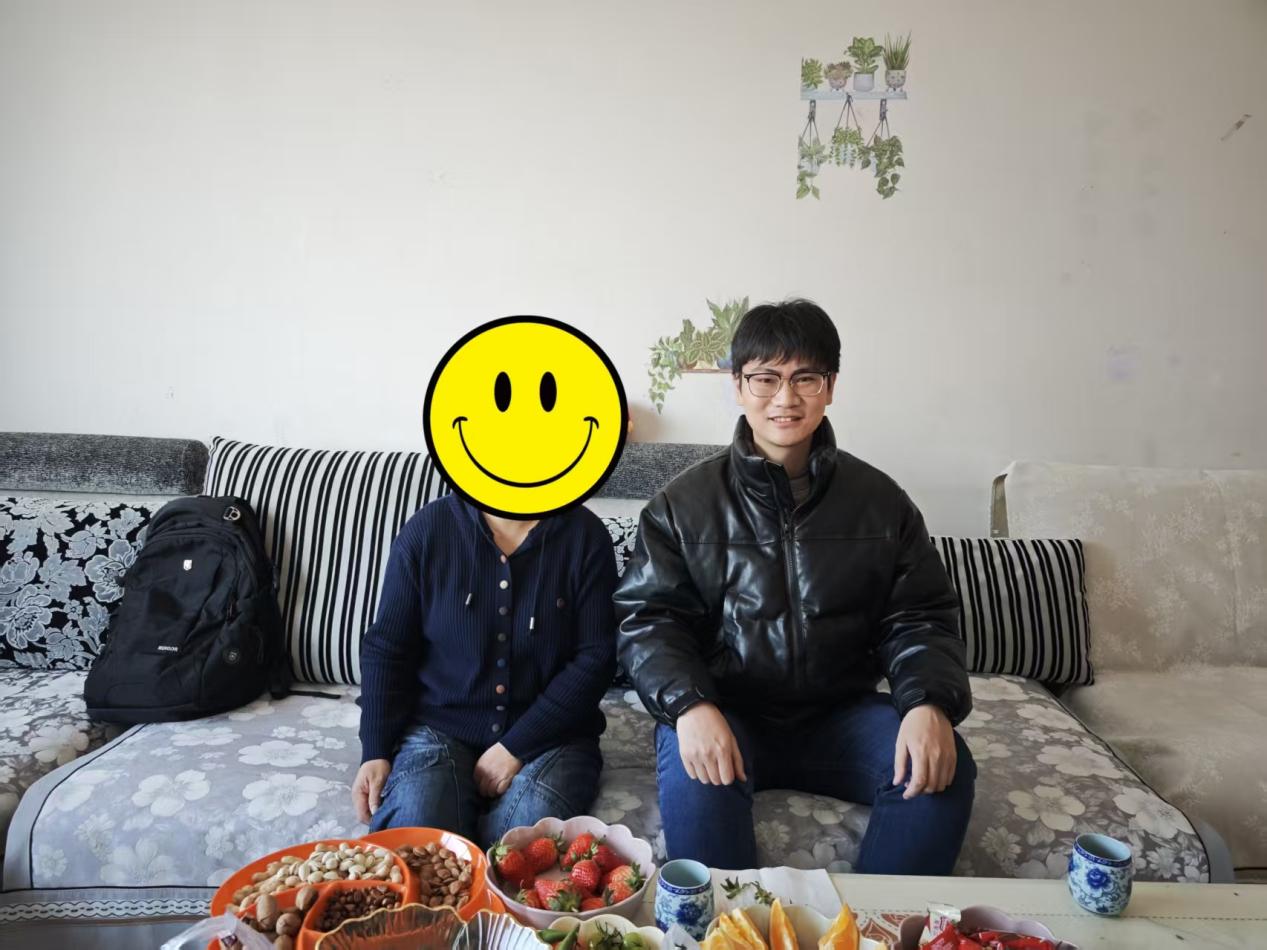
During the winter-break home visits, the counselors of the School of Management demonstrated their commitment to education through concrete action and conveyed the warmth of student-centered education with genuine care. They brought the University’s concern into students’ homes while incorporating families’ expectations into the entire educational process.
Building on this initiative, the School will review and consolidate its experience, establish student-development tracking records, and improve its regular home–school communication mechanism. It will further integrate home visits with academic assistance, psychological support, career guidance, and care for students’ daily lives. Through increasingly refined and targeted educational support, the School will continue to safeguard the healthy growth and well-rounded development of every student.
(Reviewed by Zuo Hui and Luo Qiong)


